Personal FinanceGlobal Mobility
Avoid Surprise Taxes When You Relocate Abroad
A five-step relocation money plan: build the real budget, fix tax basics, protect social security via totalization, set up banking and transfers, plan your US state exit, and keep a clean document folder. Includes a printable checklist and FAQs on Canadian and UK residency tests, FBAR triggers, and state tax risk after moving.
 Puneet GuptaFounder @ Aequify
You just said yes to a great role in a new city. Now the money questions start. Rent, taxes, banking, even that rental back home. Give me a few minutes and I will show you how to keep your take home pay steady, skip gotcha bills, and feel in control. You will leave with a printable checklist, a tiny calculator you can copy, and a simple way to see your full tax outlook.
Why money makes or breaks a move
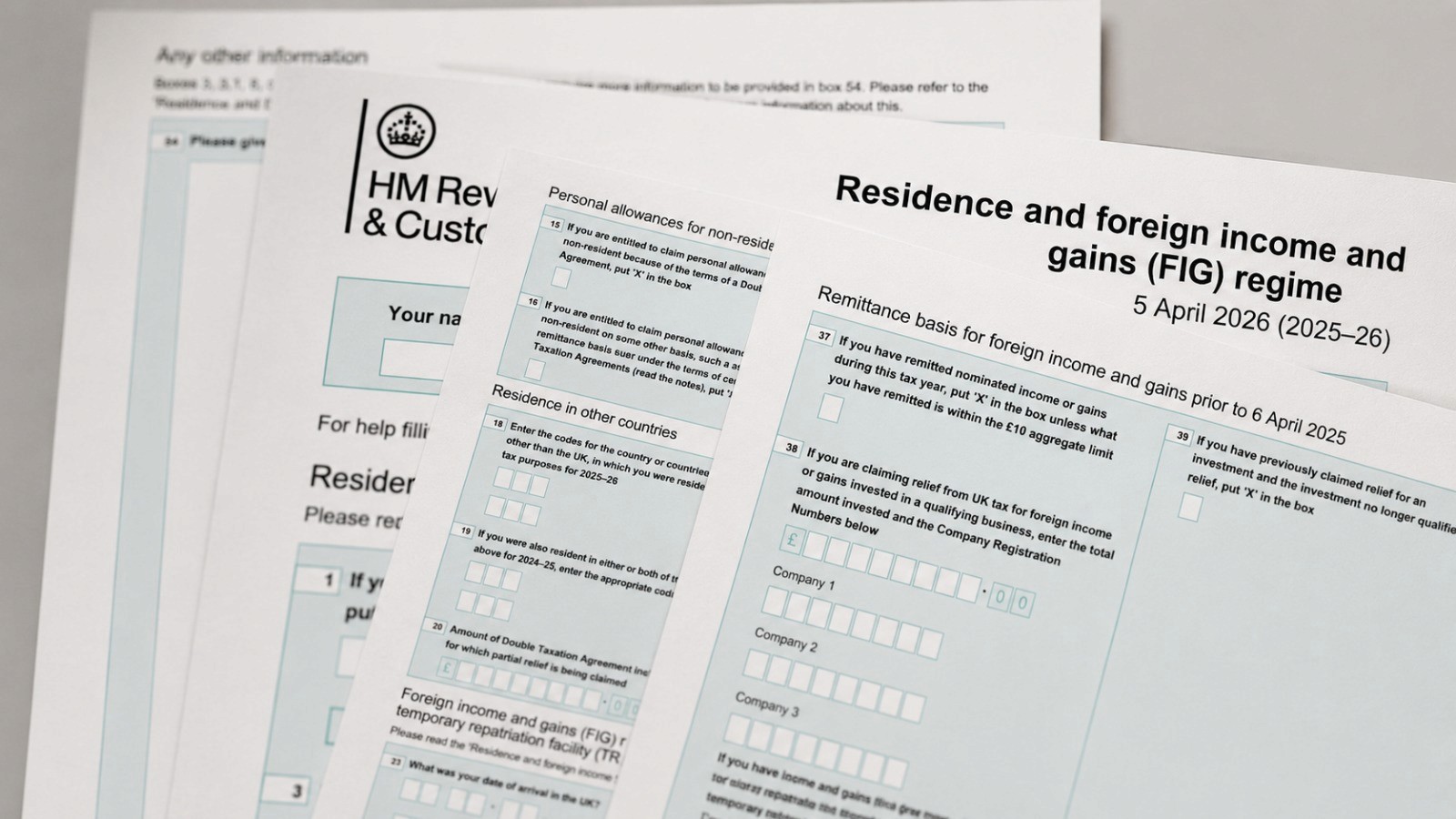
Relocation changes prices and habits fast. Rent can jump while groceries or transit might drop. Guessing is stressful. Planning is calm. Your goal is simple. Keep cash flow steady, avoid surprise taxes, and help your family settle. If you are a US citizen or a US tax resident, you still file a US tax return and report worldwide income even while living abroad. Credits or exclusions can help, but the filing duty remains.
Host countries decide if you owe local tax based on their rules. Canada looks at your residential ties and your time and intent in the country. The United Kingdom uses the Statutory Residence Test for each tax year.
Quick decision guide
Do I still file at home
Yes. US persons report worldwide income.
Do I file in the host country
Usually yes if you become a tax resident there. Canada weighs your ties and time. The UK applies the Statutory Residence Test.
Do I need to report foreign accounts
If your foreign accounts in total are above ten thousand dollars at any time in the year, you likely file an FBAR on FinCEN Form 114.
Will I pay social taxes twice
Often no if your countries have a totalization agreement and you get a Certificate of Coverage so only one country collects.
What should my company cover
Ask for cost of living support in pricey cities and tax equalization for cross border moves so your net pay stays whole.
Step by step plan
- Map your first 90 days of cash flow: deposits, rent, schooling, and one-off setup costs.
- Confirm your residency position in both countries before you fly, not after.
- Open a local bank account early and keep your home accounts documented for reporting.
- Check totalization coverage so social taxes are only collected once.
- Run a dry-run tax estimate for both countries so filing season never surprises you.
Overhead view of a relocation planning scene with a desk set among greenery
The pattern is simple. Decide where you are tax resident, know which forms follow you, and keep proof of everything. Do that and the move becomes about the new job and the new city, not about a surprise letter from two tax offices.